More Recipes
This is the dish that could define cha chaan teng: a fried pork chop, a searing orange tomato sauce, a pan of golden fried rice, luxuriant cheese melted and blistered on top. Making it the long way means understanding, finally, the extravagance that cha chaan teng cooks can serve in ten minutes.
SERVES 2 TO 4
For the Pork Chops
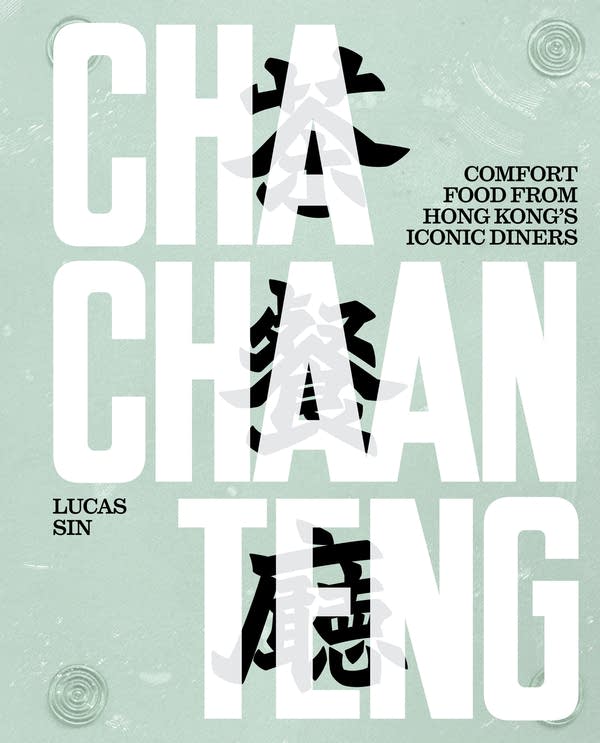 Cha Chaan Teng
Lucas Sin
Cha Chaan Teng
Lucas Sin
1 pound (450 g) bone-in pork rib chops, sliced
1 inch (2.5 cm) thick 5 ounces (140 g) canned pineapple chunks (one-fourth of a 20-ounce can), juice and fruit separated
1 tablespoon (15 ml) light soy sauce
1 tablespoon (8 g) cornstarch
½ teaspoon (3 g) table salt
¼ teaspoon (1 g) baking soda
For the Batter and Frying
1 large egg (60 g), beaten
⅓ cup (28 g) cornstarch or potato starch, plus more if needed
2 tablespoons (15 g) all-purpose flour
Neutral oil, such as canola or peanut, for frying
For the Sauce
1 tablespoon (15 ml) neutral oil, such as canola or peanut
2 cups (300 g) cherry tomatoes, halved
1 small white onion (160 g), cut into wedges
1½ cups (360 ml) Tomato Sauce
1 cup (240 ml) low-sodium chicken stock
Table salt (optional)
Sugar (optional)
To Assemble
4 cups (920 g) Golden Fried Rice (see below)
1 cup (160 g) shredded low-moisture mozzarella cheese
Prepare the pork chops. Working one piece at a time, pound the pork chops with a meat pounder or the back of a cleaver, keeping the bone intact, to an even ¾-inch (2 cm) thickness. Transfer to a large bowl and add the pineapple juice, soy sauce, cornstarch, salt, and baking soda. Massage the pork chops, working the marinade into the meat until well combined. Let marinate in the refrigerator for at least 30 minutes or up to 4 hours.
Line a plate with paper towels. In a large wok or Dutch oven, heat 2 inches (5 cm) of oil over medium-high heat until it reaches 325°F (150°C). Working in batches, carefully add the pork chops to the hot oil, making sure not to have any overlap between the pieces. Cook, swirling the oil gently, until the crust is set and pale golden brown on both sides, about 4 minutes. Transfer the chops to the lined plate to drain. Repeat to fry the remaining pork chops. Let them cool, then remove the bone and slice on a slight bias so the pieces will be easier to eat after baking. Set aside, reserving the bones.
Make the sauce. In a separate wok or large skillet, heat the oil over high heat until shimmering. Add 1 cup (150 g) of the cherry tomatoes and the onion and stir-fry until aromatic and slightly softened, 1 to 2 minutes. Reduce the heat to medium. Add the tomato sauce and stock and bring to a simmer. Cook until the flavors meld, about 2 minutes. Remove from the heat, add the remaining cherry tomatoes and the pineapple chunks, and stir to combine. Taste and adjust the seasoning with salt and sugar if necessary. Set aside.
Assemble the baked rice. Preheat the oven to 425°F (220°C). Divide the golden fried rice between two small baking dishes and flatten into an even layer. Scoop a thin layer of sauce on top of the rice. Reassemble the pork chops with their bones in the center of each portion. Top with the rest of the sauce and the mozzarella, allowing some corners of the chops to stick out. Bake until the cherry tomatoes and pineapple have slightly softened and the cheese is melted, bubbling, and beginning to char, about 10 minutes. Allow to rest for 1 minute and serve warm.
KITCHEN NOTE
Most cha chaan teng make their tomato sauce from some combination of ketchup, canned tomato paste, pasta sauce, and dehydrated tomato powder (see Tomato Sauce, page 000). Here the addition of fresh tomatoes breaks away from industry standards. Cherry tomatoes are folded in right before the dish goes in the oven, bringing brightness without sacrificing the familiar consistency of a tomato sauce built of shelf-stable ingredients.
A dry cornstarch–flour batter is enough here. The flour is there for structure and the cornstarch limits gluten so the crust doesn’t turn gummy once baked. It might be too spare for a chop served alone, but this one is meant to be sauced.
TENDERIZING PORK CHOPS
Because the pork chops are cooked twice—first fried, then baked—they are prone to getting tough. Protection against dry pork happens first by helping the pork retain moisture. Salt does this by unwinding the protein coils so they have a greater capacity to bind water molecules. Second, the protein in the pork chop itself is tenderized physically by pounding the chops, and chemically by adding baking soda to the marinade. Baking soda raises the pH on the surface of the meat, relaxing the protein fibers.
Another way to tenderize meat is with enzymatic tenderizers found in fruits like papaya, kiwi, and pineapple. These enzymes break down the protein structures of meat. They tenderize more effectively because, unlike baking soda, which acts only on the surface, enzymes penetrate deeper into muscle fibers over time. This has the added benefit of flavoring the pork with a touch of fruit sweetness. In cha chaan teng, however, baking soda is necessary because the pineapple used in the marinade is canned. During the canning process, manufacturers heat the fruit, which destroys the enzymes and rids it of its tenderizing effects.
WHERE IT’S BEST
Café de Coral 大家樂, locations all over Hong Kong
Fairwood 大快活, locations all over Hong Kong
When looking for the epitome of baked pork chop rice, Hong Kongers often turn toward two homegrown fast-food chains, Café de Coral and Fairwood. Most locals have a strong preference for one over the other, but proper judgment should be nuanced. The pork chop at Café de Coral is the best of the bunch, as it’s brined and juicy, cut thicker, and deep-fried in an egg batter. Fairwood, however, excels in the sauce: the tomato sauce is bright and tangy and pairs gracefully with a minimal approach to the fried rice base.
GOLDEN FRIED RICE
As close to the perfect fried rice as it gets. Every single kernel is enveloped in egg yolks, fragrant and distinct grain by grain.
SERVES 2 OR 3;
MAKES 4 CUPS (920 G)
2 large eggs (100 g)
4 cups (960 g) cooked long-grain white rice (see Notes), chilled
1 teaspoon (5 ml) plus
1 tablespoon (15 ml) neutral oil, such as canola or peanut
½ small onion (80 g), chopped
4 garlic cloves (16 g), smashed and finely chopped
1 (½-inch/1.25 cm) piece fresh ginger (10 g), peeled and finely chopped
½ teaspoon (3 g) table salt
½ teaspoon (2 g) sugar
½ teaspoon (2 g) MSG
Separate the egg yolks from the whites, placing the yolks in a large bowl and the whites in a small bowl. Add the cold rice to the yolks and mix with your hands to break up clumps and coat each grain (take your time with this, as clumps will cook together). Set aside.
Add 1 teaspoon (5 ml) of the oil to the egg whites and beat until no clumps or streaks remain. Heat a dry wok or large skillet over high heat. Add the egg white mixture and cook, constantly pushing the whites around, until gently set, about 30 seconds. Transfer to a plate and set aside.
Wipe out the same pan and heat over high heat until lightly smoking. Pour in the remaining 1 tablespoon (15 ml) oil and swirl to coat. Add the onion, garlic, and ginger and cook, stirring, until fragrant, about 30 seconds. Do not let the garlic brown. Add the rice mixture and season with the salt, sugar, and MSG. Cook, continually tossing and stirring with a spatula, until the rice is warmed through and the grains become distinct and begin to jump, about 3 minutes. Gently press down on any clumps of rice with the back of the spatula to encourage them to break up. Cook until the rice has changed from a bright yellow to a pale golden color, about 1 minute more. Return the cooked egg whites to the pan and toss the mixture together, breaking up any remaining clumps of egg whites if needed. Serve warm.
KITCHEN NOTES
Using day-old rice all but guarantees properly textured fried rice. As rice cools in the fridge, surface moisture evaporates and the starches firm up, making the grains less likely to stick together in the pan. That said, you can use freshly cooked rice if you’re careful: rinse the grains well before cooking to wash off excess surface starch, cook the rice on the drier side so it doesn’t turn gluey, then let it steam off a bit before frying, and you’ll be fine.
Be sure to break up the chilled rice with your hands before you even touch the wok. Clumps tend to stay clumps, and no amount of wok tossing can fully fix that once the rice hits the heat. Separating the grains ahead of time gives you the best chance at even, consistent texture.
Tossing the rice in egg yolks does two things: it perfumes the dish with a concentrated egg aroma, and it coats each grain in a thin film of yolk fat. That film limits surface starch from gelling, so the rice fries into glossy, distinct grains instead of a sticky mass.
The seasoning here is intentionally restrained. Just enough to be savory and fragrant but not so much that it dominates. Think of this rice as a canvas—it’s meant to pair easily with other dishes, soak up sauces, or serve as a base for variations down the line.
“Excerpted from Cha Chaan Teng by Lucas Sin (Artisan Books). Photographs by Nicholas Wong and Mario Chui. Copyright © 2026.”
When you shop using our links, we earn a small commission. It’s a great way to support public media at no extra cost to you.
Before you go...
Each week, The Splendid Table brings you stories that expand your world view, inspire you to try something new, and show how food connects us all. We rely on your generous support. For as little as $5 a month, you can have a lasting impact on The Splendid Table. And, when you donate, you’ll join a community of like-minded individuals who love good food, good conversation, and kitchen companionship. Show your love for The Splendid Table with a gift today.
Thank you for your support.
Donate today for as little as $5.00 a month. Your gift only takes a few minutes and has a lasting impact on The Splendid Table and you'll be welcomed into The Splendid Table Co-op.