More Recipes
I have this when the fridge is empty and I’m in a rush, as it’s super-easy to put together and packs a punch. High-quality olive oil is a must for this dish. If you fancy zhuzhing it up, add some crushed red pepper flakes and/or anchovies…
Serves 4
INGREDIENTS
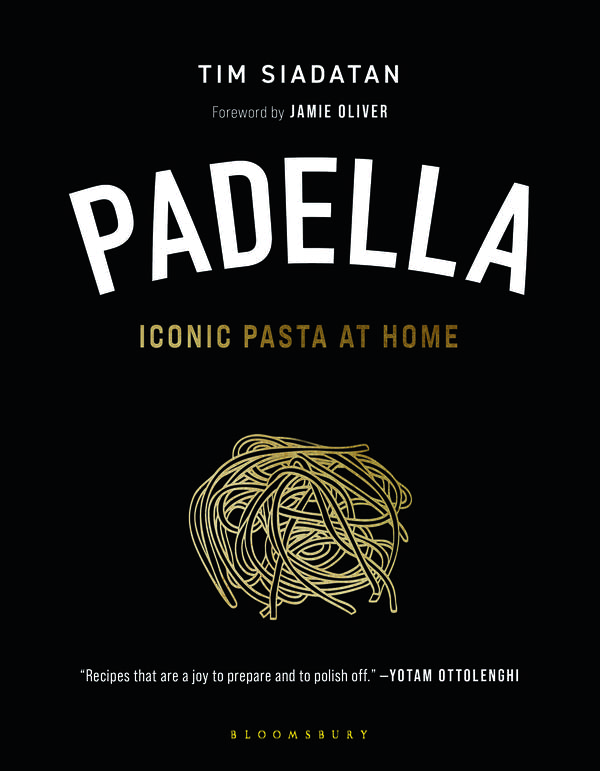 Padella: Iconic Pasta at Home.
TIm Siadatan
Padella: Iconic Pasta at Home.
TIm Siadatan
14 oz (400g) dried spaghetti
7 tbsp (100ml) high-quality extra virgin olive oil, plus extra to finish
8 medium garlic cloves (about ⅓ cup/40g), finely chopped
½ cup (120g) capers, rinsed, half whole, half finely chopped
1 tsp freshly ground black pepper
2 tbsp finely chopped Italian parsley
Sea salt
DIRECTIONS
For the pasta, in a large cooking pot, bring 4–5 quarts of water to a boil and add a fistful of salt.
Drop the spaghetti into a boiling water and follow the package directions for timing but take 2 minutes off the recommended cooking time (so if the package says 9 minutes, give it 7 minutes).
At the same time, heat the extra virgin olive oil in a pan large enough to hold the sauce and cooked pasta. Add the garlic, capers, pepper and a pinch of salt and fry over a medium heat until the garlic starts to turn golden, stirring frequently to ensure the mixture doesn’t catch and burn.
Take the pan off the heat and add a splash (about 2 tbsp) of water to stop the cooking process. (Be careful when adding water to a pan containing hot oil, as it can spit; best to take the pan off the heat first.)
Drain the pasta as soon as it’s ready, keeping 2 cups of pasta water.
Transfer the pasta to the garlic and caper pan and add the chopped parsley and ½ cup of pasta water. Stir continuously over a medium heat for a minute – the liquid in the sauce will reduce as you stir (the pasta will also continue to cook). It’s all about the spadellare, working it in the pan until you get the right consistency of sauce. You might need to add small splashes of the reserved pasta water to loosen the sauce, but remember to keep stirring until you hit the right consistency – you want the pasta to be loose and for the strands to slide freely over each other as you move them around the pan.
When the pasta is al dente (firm to bite but easy to chew), taste and adjust the seasoning, adding salt and/or pepper if necessary. Divide between hot plates, drizzle with extra virgin olive oil and eat immediately.
Adapted from Padella: Iconic Pasta at Home. Used with the permission of the publisher, Bloomsbury. Text copyright © 2025 by Tim Siadatan, Photography copyright © 2025 by Sam A Harris
When you shop using our links, we earn a small commission. It’s a great way to support public media at no extra cost to you.
Before you go...
Each week, The Splendid Table brings you stories that expand your world view, inspire you to try something new, and show how food connects us all. We rely on your generous support. For as little as $5 a month, you can have a lasting impact on The Splendid Table. And, when you donate, you’ll join a community of like-minded individuals who love good food, good conversation, and kitchen companionship. Show your love for The Splendid Table with a gift today.
Thank you for your support.
Donate today for as little as $5.00 a month. Your gift only takes a few minutes and has a lasting impact on The Splendid Table and you'll be welcomed into The Splendid Table Co-op.